Today in History, March 21st
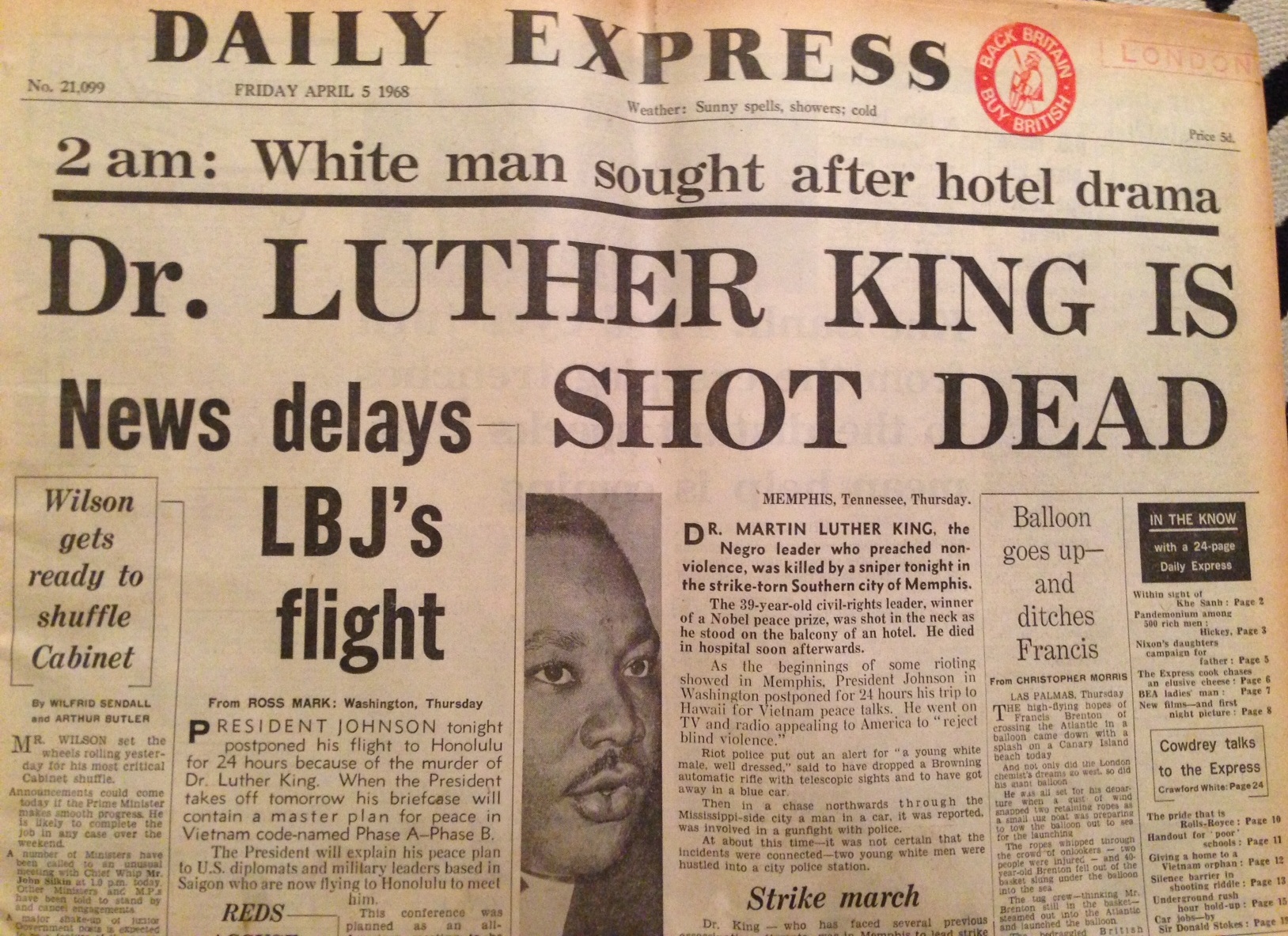
On March 21, 1965, Martin Luther King Jr. led the final Selma-to-Montgomery march out of Selma. Plus Sharpeville and Alcatraz's closing.
Published · Last updated
March 21 is best known for 1965, when Martin Luther King Jr. led marchers out of Selma, Alabama, on the final, federally protected march to Montgomery for voting rights. The date also saw police kill 69 protesters at Sharpeville, South Africa, in 1960 and the closing of Alcatraz prison in 1963.
The big story: The March to Montgomery Begins (1965)
Two weeks earlier, on March 7, about 600 voting rights marchers had tried to cross the Edmund Pettus Bridge and were beaten back by Alabama state troopers and posse men. That day became known as Bloody Sunday. A second attempt on March 9 ended with King turning the column around. The third try was different. On March 21, 1965, more than 8,000 people set out from Brown Chapel A.M.E. Church in Selma, and this time they had company: U.S. Army troops and federalized Alabama National Guardsmen lined the route, with FBI agents on hand. Where Highway 80 shrank to two lanes, only 300 marchers were allowed to keep going. The rest rejoined later. Five days and 54 miles after leaving Selma, the march reached the state capitol in Montgomery with a crowd of nearly 25,000. About five months later, on August 6, 1965, President Lyndon Johnson signed the Voting Rights Act.
More events on March 21
| Year | What happened |
|---|---|
| 1556 | Thomas Cranmer, the Protestant archbishop of Canterbury, was burned at the stake for heresy in Oxford under the Catholic Queen Mary I (Old Style date). |
| 1778 | Loyalist troops under John Simcoe surprised sleeping Patriot militia at Hancock’s Bridge, New Jersey, killing at least 20 of them, some after they tried to surrender. |
| 1804 | France adopted the Napoleonic Code, a single body of civil law that shaped legal systems across Europe and South America. |
| 1918 | Germany opened its Spring Offensive near the Somme, its first major push on the Western Front in two years. It gained more than four miles on the first day. |
| 1947 | President Harry Truman ordered loyalty checks of federal employees, setting up loyalty boards in every department as Cold War fears grew. |
| 1952 | Alan Freed’s Moondog Coronation Ball in Cleveland, often called the first major rock-and-roll concert, drew far more fans than the 10,000-seat arena held. Police shut it down almost as soon as it started. |
| 1960 | South African police opened fire on unarmed Black demonstrators protesting pass laws in Sharpeville, killing 69 and wounding 180. |
| 1963 | Alcatraz federal penitentiary in San Francisco Bay closed and sent away its last prisoners. |
| 1980 | President Jimmy Carter announced a U.S. boycott of the Moscow Summer Olympics after the Soviet Union ignored his deadline to pull out of Afghanistan. |
| 1990 | Namibia, long ruled by South Africa, became an independent country. |
| 2000 | Pope John Paul II landed at Ben Gurion Airport near Tel Aviv, starting a six-day pilgrimage through Israel and the Palestinian territories. |
Born on March 21
- 1685: Johann Sebastian Bach, German composer of the Baroque era, born in Eisenach (Old Style date).
- 1768: Joseph Fourier, French mathematician whose work on heat gave the world Fourier series.
- 1806: Benito Juárez, Mexican president and national hero who resisted the French-backed Emperor Maximilian.
- 1958: Gary Oldman, English actor who won an Oscar for playing Winston Churchill in Darkest Hour.
- 1960: Ayrton Senna, Brazilian race car driver and three-time Formula One world champion.
Keep reading
Sources
- History & Culture, Selma to Montgomery National Historic Trail, National Park Service
- Martin Luther King Jr. begins the march from Selma to Montgomery, History.com
- Thomas Cranmer, Britannica
- Massacre at Hancock’s Bridge, History.com
- Germany begins major offensive on the Western Front, History.com
- The Moondog Coronation Ball is history’s first rock concert, History.com
- Massacre in Sharpeville, History.com
- Namibia, Britannica
- Travels of John Paul II, 2000, The Holy See
- Johann Sebastian Bach, Britannica

Small matter but Marshall was Secretary of Defense in 1951 not Chief of Staff which he was (unofficially) during World War II
Good catch! I will have to correct that. With so many titles, sometimes it is hard to keep up with them all. Just one year earlier and I would have labeled him President of the American National Red Cross George C. Marshall.
I know, it didn’t sound right but I had to look it up. The key for me was that he was SecState in 48 re ‘The Marshall plan”. Happens to us all.