Today in History, March 19th
On March 19, 1918, the Standard Time Act set U.S. time zones and daylight saving. Plus Nevada's gambling law and the Sydney Harbour Bridge.

Published · Last updated
March 19 is best known for the Standard Time Act of 1918, the law that gave the United States official time zones and its first national daylight saving time. The date also saw Nevada legalize casino gambling in 1931 and the Sydney Harbour Bridge open in 1932.
The big story: Congress Sets the Nation’s Clocks (1918)
Before 1918, no federal law set the nation’s time zones. On March 19, 1918, with the United States fighting in World War I, President Woodrow Wilson signed the Standard Time Act. Its official title promised “to save daylight and to provide standard time.” The law wrote five zones into federal law: eastern, central, mountain, Pacific and Alaska. It also told Americans to move their clocks ahead one hour on the last Sunday in March and back on the last Sunday in October. The idea was that an extra hour of evening light would stretch the workday and save fuel for the war. The first national spring-forward came at 2 a.m. on March 31, 1918. The daylight saving part did not last. Congress repealed it in 1919, after just two summers. The time zones stayed, and so did the argument over changing the clocks.
More events on March 19
| Year | What happened |
|---|---|
| 1279 | A Mongol fleet defeated the last Song dynasty forces at the Battle of Yamen, completing the Mongol conquest of China. The last Song claimant to the throne drowned. |
| 1687 | French explorer René-Robert Cavelier, sieur de La Salle, was killed by his own men in Texas while trying to find his way back to the Mississippi River. |
| 1920 | The U.S. Senate rejected the Treaty of Versailles for the second and final time, 49 to 35, short of the two-thirds needed. The United States never joined the League of Nations. |
| 1931 | Nevada Governor Fred Balzar signed a bill legalizing casino gambling. The same day he signed a law cutting the state’s divorce residency requirement to six weeks. |
| 1932 | The Sydney Harbour Bridge opened before a crowd of more than 750,000. A man on horseback slashed the ribbon with a sword before the premier could cut it. |
| 1945 | Two Japanese bombs struck the aircraft carrier USS Franklin off Japan, killing more than 700 crew members. The crew saved the burning ship, which made it back to New York under its own power. |
| 2011 | U.S. and British forces fired more than 100 Tomahawk cruise missiles at Libyan air defenses as an international coalition began enforcing a UN-backed no-fly zone. |
| 2020 | California Governor Gavin Newsom issued the nation’s first statewide stay-at-home order in response to COVID-19. |
Born on March 19
- 1813: David Livingstone, Scottish missionary and explorer of Africa.
- 1848: Wyatt Earp, Old West lawman remembered for the gunfight at the O.K. Corral.
- 1860: William Jennings Bryan, orator and three-time Democratic presidential nominee.
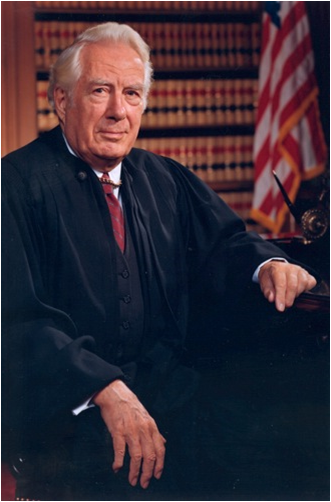
- 1891: Earl Warren, California governor and chief justice of the United States.
Keep reading
Sources
- Government Documents Give a Glimpse at the Beginnings of Daylight Saving Time in the U.S., University of Missouri Libraries
- Daylight Saving Time Was Originally Part of America’s All-Out World War Efforts, Military.com
- Song Dynasty Falls as Mongols Complete Conquest of China, OUPblog
- La Salle, Texas State Library and Archives Commission
- 20th-Century International Relations: Reaction to the Treaty, Britannica
- Nevada Legalizes Gambling, EBSCO Research Starters
- Sydney Harbour Bridge Opens, National Museum of Australia
- The Ship That Wouldn’t Die: USS Franklin (CV-13), 19 March 1945, Naval History and Heritage Command
- US Leads ‘Odyssey Dawn’ Initial Attack on Libya, Christian Science Monitor
- California Governor Orders All Residents to Stay at Home, Cozen O’Connor