Today in History, June 7th
On June 7, 1776, Richard Henry Lee moved for independence. Plus the end of the Battle of Midway and Griswold v. Connecticut.
Published · Last updated
June 7 is best known for 1776, when Richard Henry Lee asked the Continental Congress to declare the colonies independent, setting the Declaration of Independence in motion. The date also marks the end of the Battle of Midway in 1942 and the Supreme Court’s ruling in Griswold v. Connecticut in 1965.
The big story: Richard Henry Lee moves for independence (1776)
On June 7, 1776, Richard Henry Lee of Virginia stood up in the Continental Congress in Philadelphia and put the big question on the table. His resolution said the colonies were, and had every right to be, free and independent states, with no remaining tie to the British Crown. It also called for foreign alliances and a plan of confederation. John Adams seconded it. Not everyone was ready. Delegates from six colonies, including New York and Pennsylvania, still wanted to wait, so Congress pushed the vote to July 1. Meanwhile it named a committee of five, including Adams, Benjamin Franklin and Thomas Jefferson, to draft a formal declaration just in case. Jefferson did most of the writing. On July 2, twelve delegations voted for Lee’s resolution, with New York abstaining. Two days later Congress adopted the Declaration of Independence. Adams expected July 2 to be the day Americans celebrated. History had other plans.
More events on June 7
| Year | What happened |
|---|---|
| 1494 | Spain and Portugal signed the Treaty of Tordesillas, splitting newly explored lands along a line 370 leagues west of the Cape Verde Islands. |
| 1692 | An earthquake and tsunami destroyed Port Royal, Jamaica, a notorious haven for pirates. |
| 1832 | Britain’s Reform Act of 1832, its first parliamentary reform bill, took effect, widening the vote and redrawing representation in the House of Commons. |
| 1893 | Mohandas K. Gandhi refused to obey segregation rules on a South African train and was thrown off, his first act of civil disobedience. |
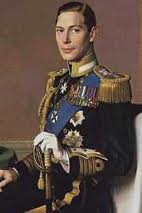
| 1939 | King George VI became the first reigning British monarch to visit the United States. |
| 1942 | The Battle of Midway ended in a decisive U.S. victory over Japan, a turning point in the Pacific war. |
| 1965 | In Griswold v. Connecticut, the U.S. Supreme Court struck down a state ban on contraception, finding that married couples have a right to privacy. |
| 1968 | Fred Rogers devoted an episode of “Mister Rogers’ Neighborhood” to helping children understand Robert F. Kennedy’s assassination. |
| 1979 | Texas became the first state to make Juneteenth an official state holiday. |
| 2006 | Abu Musab al-Zarqawi, the Jordanian-born leader of al-Qaeda in Iraq, was killed in a U.S. air strike. |
Born on June 7
- 1917: Gwendolyn Brooks, poet and the first African American to win the Pulitzer Prize for poetry.
- 1917: Dean Martin, singer, actor and Jerry Lewis’s comedy partner before a long solo career.
- 1958: Prince (Prince Rogers Nelson), the Minneapolis-born singer and songwriter who became a pop superstar.
Keep reading
Sources
- Lee Resolution presented to Continental Congress, History.com
- This Day in History: June 7, History.com
- On This Day: June 7, Encyclopaedia Britannica
- Treaty of Tordesillas, Encyclopaedia Britannica
- Treaty between Spain and Portugal concluded at Tordesillas; June 7, 1494, Avalon Project, Yale Law School
- Abu Musab al-Zarqawi, Encyclopaedia Britannica
- Gwendolyn Brooks, Encyclopaedia Britannica
- Dean Martin, Biography.com
- Prince, Biography.com