Today in History, January 18th
On January 18, 1871, William I was proclaimed German emperor at Versailles. Plus the first plane landing on a ship and Willie O'Ree's NHL debut.
Published · Last updated
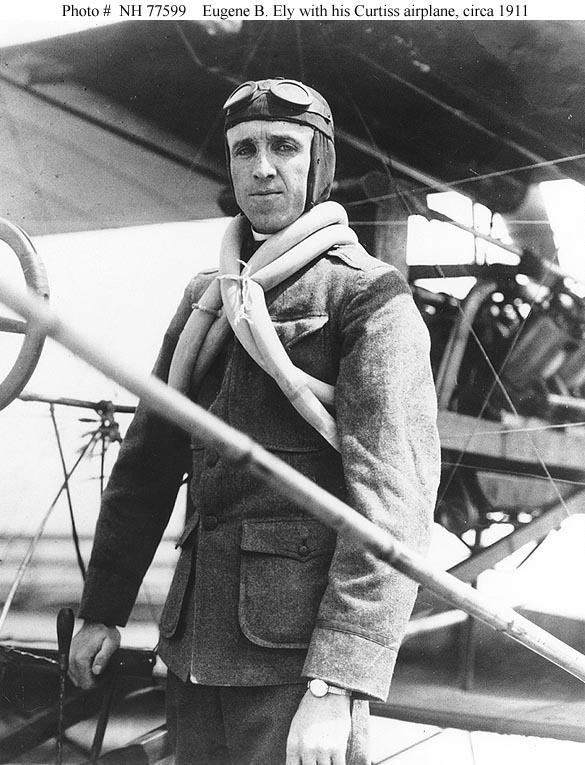
January 18 is best known for 1871, when King William I of Prussia was proclaimed German emperor in the Hall of Mirrors at Versailles, creating a unified German Empire. The date also saw Eugene Ely make the first airplane landing on a ship in 1911 and Willie O’Ree break the NHL’s color barrier in 1958.
The big story: The German Empire is proclaimed at Versailles (1871)
Germany became a single country in the most pointed setting its founders could find: the palace of the French kings. In January 1871 the Franco-German War was not yet over, and German troops were besieging Paris. At Versailles, a few miles away, about 600 officers and nearly all of the German princes gathered in the Hall of Mirrors. After a religious service, Otto von Bismarck, wearing a cuirassier’s uniform, read out the proclamation, and King William I of Prussia became German emperor. William had accepted the crown with real reluctance. He was deeply attached to the Prussian crown and found the whole business painful. Bismarck was the true architect, having built the empire out of three short wars. The choice of room had a long echo. In June 1919, a defeated Germany signed the Treaty of Versailles in that very same hall.
More events on January 18
| Year | What happened |
|---|---|
| 1486 | England’s Henry VII married Elizabeth of York, joining the rival houses of Lancaster and York and helping close out the Wars of the Roses. |
| 1778 | British explorer James Cook sighted Oahu, becoming the first European known to reach the Hawaiian Islands. He landed on Kauai two days later. |
| 1803 | President Thomas Jefferson asked Congress for $2,500 to fund an expedition to the Pacific, the start of the Lewis and Clark journey. |
| 1862 | Former President John Tyler died in Richmond, Virginia. He had just been elected to the Confederate Congress but never took his seat. |
| 1911 | Pilot Eugene Ely landed a plane on a platform built on the USS Pennsylvania in San Francisco Bay, the first landing on a ship. |
| 1919 | The Paris Peace Conference opened to settle the end of World War I. Germany was shut out of the talks until May. |
| 1943 | A U.S. wartime order banning the sale of sliced bread took effect. Public grumbling helped get it lifted by March 8. |
| 1958 | Willie O’Ree played for the Boston Bruins in Montreal, becoming the first Black player in the NHL. |
| 1990 | Washington, D.C., Mayor Marion Barry was arrested on drug charges in an FBI sting at a downtown hotel. |
| 2002 | Sierra Leone’s president declared the country’s decade-long civil war over at a ceremony where about 3,000 weapons were burned. |
| 2003 | A bushfire swept into suburban Canberra, Australia, killing four people and destroying about 488 homes. |
Born on January 18
- 1779: Peter Mark Roget, English physician who compiled the famous Thesaurus of English Words and Phrases.
- 1782: Daniel Webster, American orator, senator, and two-time secretary of state, born in Salisbury, New Hampshire.
- 1882: A.A. Milne, English writer who created Winnie-the-Pooh.
- 1904: Cary Grant, film star born Archibald Leach in Bristol, England.
Sources
- Proclamation of the German Empire, 1871, Palace of Versailles
- William I, emperor of Germany, Encyclopaedia Britannica
- Treaty of Versailles, Encyclopaedia Britannica
- Henry VII, king of England, Encyclopaedia Britannica
- Cook discovers Hawaii, History.com
- Jefferson requests funding for Lewis and Clark expedition, History.com
- The Ridiculous Reason Why the U.S. Enacted a Wartime Ban on Sliced Bread Sales, Smithsonian Magazine
- NHL is integrated, History.com
- Sierra Leone declares end of civil war, PBS NewsHour
- Bushfire: Canberra, 2003, Australian Institute for Disaster Resilience